Tactical Gear Accessories: The Force Multipliers
Tactical Gear Accessories: The Force Multipliers
A $2,000 rifle with a $50 optic and a cheap sling isn’t a system; it’s a collection of parts. The difference between having gear and being equipped comes down to the accessories you choose. These aren’t just add-ons—they’re the components that transform a firearm from a range toy into a capable tool for defense, competition, or duty. At Lloydtacticalarms, we focus on the hardware that matters, because the right accessory in the right place directly impacts performance.
Optics & Sights: The Decisive Edge
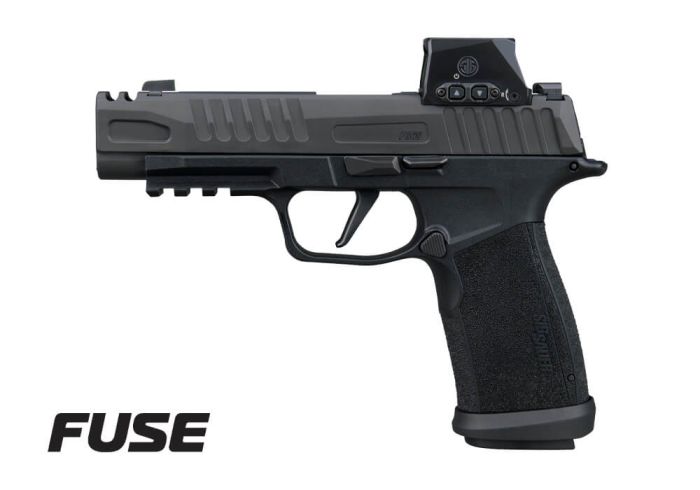
Iron sights are a fundamental skill, but modern engagements are won with speed and precision under stress. That’s where optics come in. For pistols like the Springfield Armory XD Mod.4 Optics Ready, you need a quality red dot. Look for a 3 MOA or 6 MOA dot from brands like Trijicon, Holosun, or Leupold, and ensure it’s mounted directly to the slide’s optic-cut footprint—no adapter plates if you can avoid it. For rifles, the choice between a low-power variable optic (LPVO) like a 1-6x, a prism sight, or a red dot/holographic sight with a magnifier depends entirely on your intended use. A 1-6x LPVO is versatile for a general-purpose rifle, while a red dot like an Aimpoint T2 is unbeatable for close-quarters speed. The mount is as critical as the glass; a poorly secured optic is useless.
Illumination & Targeting: Controlling the Fight
You can’t effectively engage what you can’t identify. A weapon-mounted light (WML) is non-negotiable for any defensive firearm. For handguns, the Streamlight TLR-7A or TLR-1 HL offer proven reliability and intuitive controls at around 500-1000 lumens. For rifles, the Cloud Defensive Rein 3.0 or Surefire Scout series provide the output and durability for hard use. Pair this with an infrared laser/illuminator unit if you’re running night vision. Speaking of targeting, modern electronic hearing protection like Walker’s Razor Slim or Peltor Comtacs are essential. They protect your hearing while amplifying ambient sound, allowing for clear range commands and situational awareness—a massive tactical advantage.
Carriage & Support: Slings, Bipods, and Grips
Your rifle needs to be a part of you, not something you’re holding. A two-point sling from Blue Force Gear, Vickers, or Ferro Concepts is the single most important rifle accessory after an optic and light. It secures the weapon to your body, allows for hands-free operation, and provides stability when shooting from unconventional positions. For precision or sustained fire, a bipod is key. The Harris HBRMS is the field-proven mechanical standard, while Magpul’s bipod offers excellent value. Don’t overlook vertical grips and hand stops; they aid in weapon manipulation and recoil control, especially on longer or heavier platforms. A BCM Gunfighter or Magpul AFG can make a significant difference in handling.
Magazines, Pouches, and Load-Bearing Gear
Reliability starts with the magazine. For an AR-15, Gen 3 PMAGs from Magpul are the benchmark. For pistols, stick with OEM magazines from the manufacturer or proven aftermarket options like those from Mec-Gar for SIG and CZ models. Having magazines is one thing; carrying them efficiently is another. A good belt from Kore or Blue Alpha Gear, paired with rigid magazine pouches from Esstac or G-Code, forms the foundation of a practical load-bearing system. For more extensive needs, a plate carrier like the Crye Precision JPC 2.0 or a chest rig from Haley Strategic allows you to carry ammunition, medical gear, and communications equipment in an organized, accessible manner. The gear you carry at Lloydtacticalarms is selected for this kind of integrated functionality.
Maintenance & Upkeep: The Unseen Essentials
High-performance gear fails without maintenance. Your cleaning kit should be as intentional as your weapon setup. You need quality rods, jags, and brushes from Dewey or Tipton, along with a proven solvent and lubricant like Break-Free CLP or Slip 2000 EWL. A torque wrench, like the Fix It Sticks set, is mandatory for properly mounting optics and accessories to spec—overtightening is a common cause of failure. For the shooter, a medical kit is the most critical “accessory” you can own. An Individual First Aid Kit (IFAK) from North American Rescue, containing a CAT tourniquet, hemostatic gauze, and chest seals, should be on your belt or plate carrier. Gear sustains the tool; medical gear sustains the operator.
What’s the most important accessory for a new AR-15?
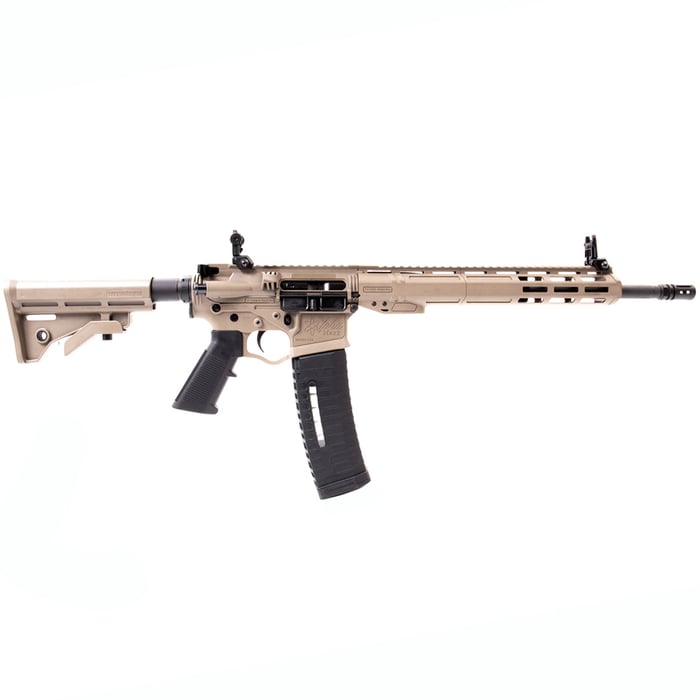
A quality two-point sling, a weapon-mounted light, and a red dot sight—in that order of priority. The sling lets you retain and stabilize the rifle, the light lets you PID a threat, and the optic lets you engage it accurately. You can find rifles and the accessories to outfit them in our Rifles collection.
Are weapon lights on handguns really necessary for concealed carry?
Absolutely. A significant portion of defensive incidents occur in low-light conditions. A WML like a Streamlight TLR-7 Sub allows you to positively identify a threat without having to manage a separate flashlight, keeping both hands on the gun. It’s a critical tool for avoiding tragic mistakes.
How often should I zero my optic?
Zero after initial installation, then confirm zero anytime the optic is remounted, receives a significant impact, or before a critical use. For most civilian applications, checking zero every 500-1000 rounds or at the start of a new training season is a good practice. Ammo consistency matters; zero with the ammunition you intend to use for defense.
Browse our tactical gear collection
Last updated: March 27, 2026